

 Support ZN.ua








Machine Tools for Iskanders: Why Siemens and Fanuc Equipment Is Still Supplied to Russia
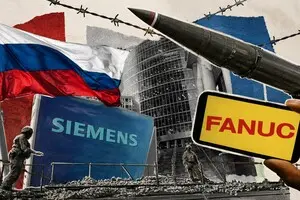


Throughout these years the enemy has waged a fierce struggle for access to high-tech equipment. Despite every attempt to establish its own production, Russia remains critically dependent on Western computer numerical control (CNC) machine tools. This equipment is used to make metal parts of complex shapes. Unlike a human, such a machine can work around the clock and, crucially, with extraordinary speed and precision, to a tolerance of micrometres.
In today’s conditions, CNC machine tools are indispensable to the production of missiles, air-defence systems and other high-precision hardware, where a single error can have fatal consequences. It is no surprise, then, that the main users of this equipment in Russia are military enterprises and plants. And because such systems are extraordinarily complex to manufacture, before the full-scale invasion Russia imported almost all of its CNC machine tools from abroad.
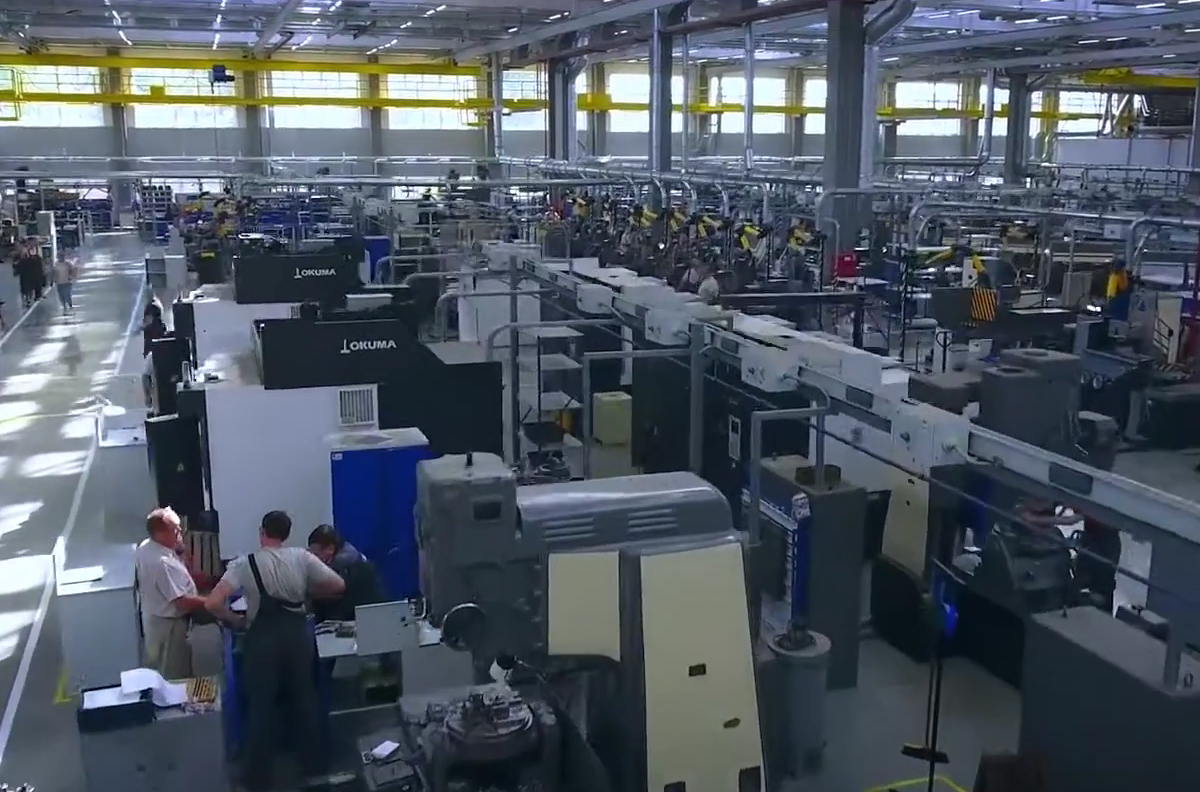
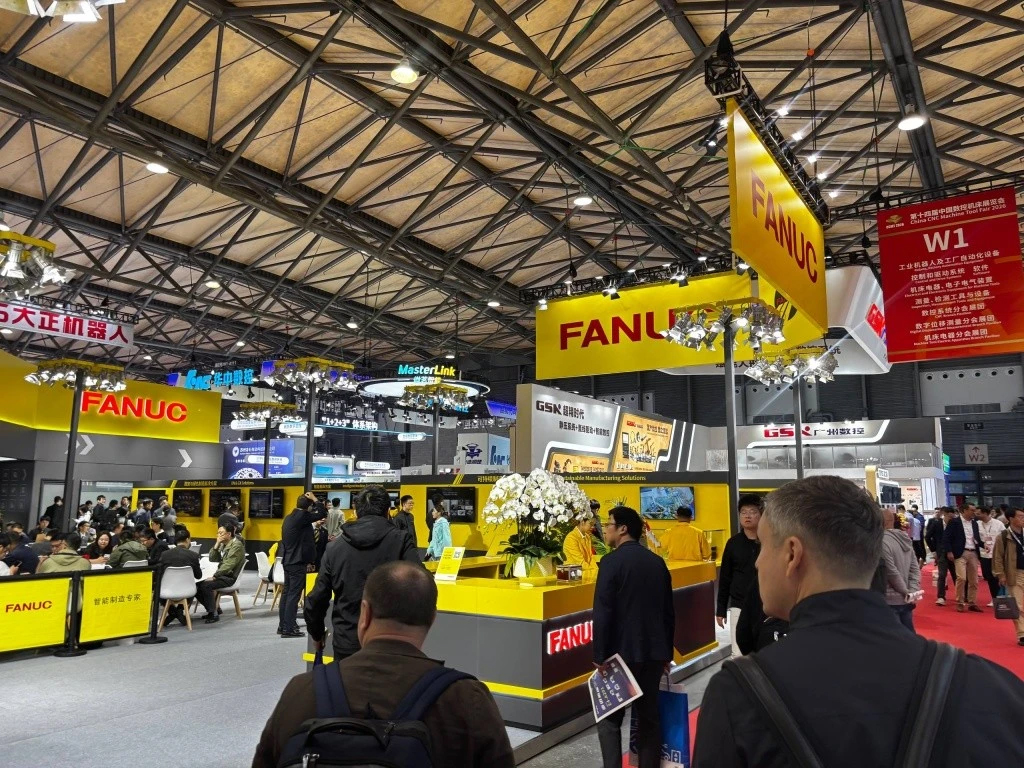
Germany and Japan are today regarded as the world’s centers of the machine tool industry. It is here that the most important part of a machine tool is developed—the CNC system, the software “brain” that governs the machine’s ultra-precise movements. Producing these systems is complex and highly technological, so almost every country in the world relies on the designs of a handful of leading companies. Among them are the German conglomerate Siemens and the Japanese holding company Fanuc.
In 2022, Western manufacturers of dual-use goods, machining equipment among them, announced en masse that they were leaving the Russian market. Yet, for all the undeniable importance of such a step, it proved wholly insufficient to halt Russia’s military-industrial complex. Machine tools fitted with Western CNC systems designed by Fanuc and Siemens continue to appear in large numbers at Russian enterprises and trade fairs in 2025 and 2026. Partners of the StateWatch analytical centre have obtained unique documents that reveal the route by which Western products reach Russian weapons systems. and explain why time is running out for the makers of German and Japanese CNC systems to respond.
Final destination: Russia’s military plants
Despite the ban on exporting metalworking equipment to Russia, nothing prevents Western manufacturers from supplying their products to other countries. An exporter must satisfy itself that the customer will not put the equipment to military use; but if the equipment is imported by, say, civilian Chinese manufacturers of “good” standing, the supply is deemed entirely legal. Once it reaches such a firm, the German or Japanese numerical control system is integrated into a locally made body, after which the finished product comes to be regarded as Chinese and sets off freely across the international market.
Since China has never supported sanctions against Russia, Western systems inside a Chinese product not infrequently end up at one Russian enterprise or another. Yet big manufacturers such as Siemens and Fanuc are in no hurry to abandon exports of CNC systems to China, for the PRC is one of the largest machine-tool markets in the world, and thousands of Chinese companies officially buy these systems for their equipment.
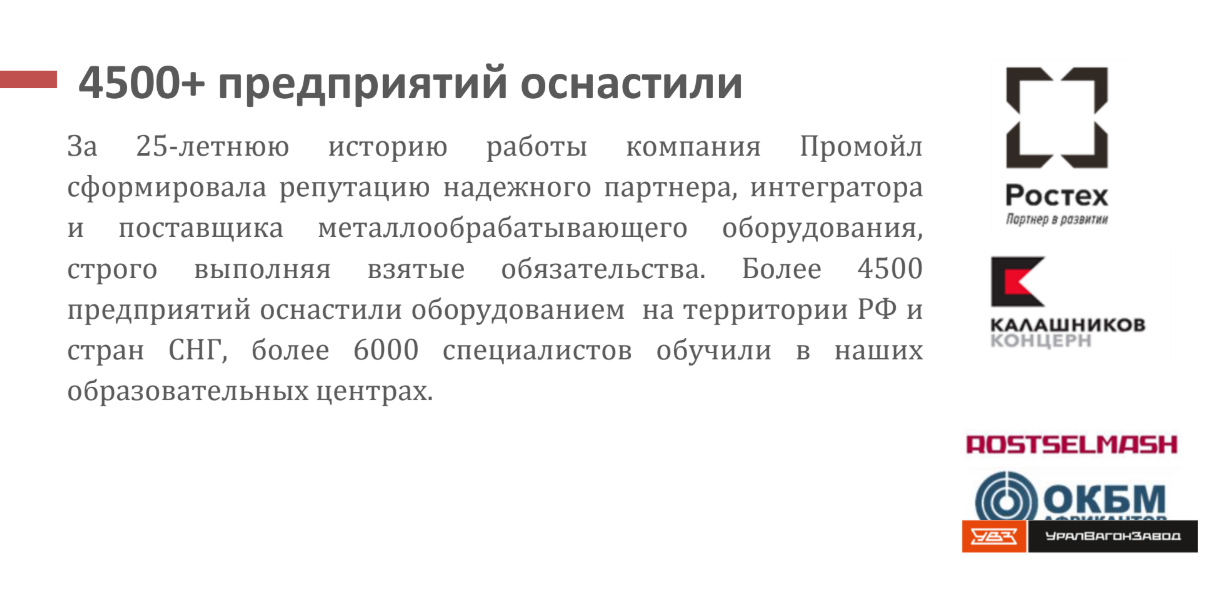
In Russia, such “legal” machine tools are eagerly awaited by a whole network of specialist distributors with a broad client base among military enterprises and plants. One of the most successful is Promoil LLC, which does not even conceal its military partners, listing them openly in its commercial offers for 2025: here one can find Rostec, the Kalashnikov Concern, Uralvagonzavod and other enterprises of Russia’s military-industrial complex.
The distributor itself, meanwhile, came under US sanctions as early as the start of 2023, but supplies to Russia did not stop there, since the machine tools fitted with Siemens and Fanuc systems are produced for Promoil by Chinese plants. What is more, in 2023, despite the sanctions, the company posted a record net profit, which soared sixfold to 2 billion roubles.
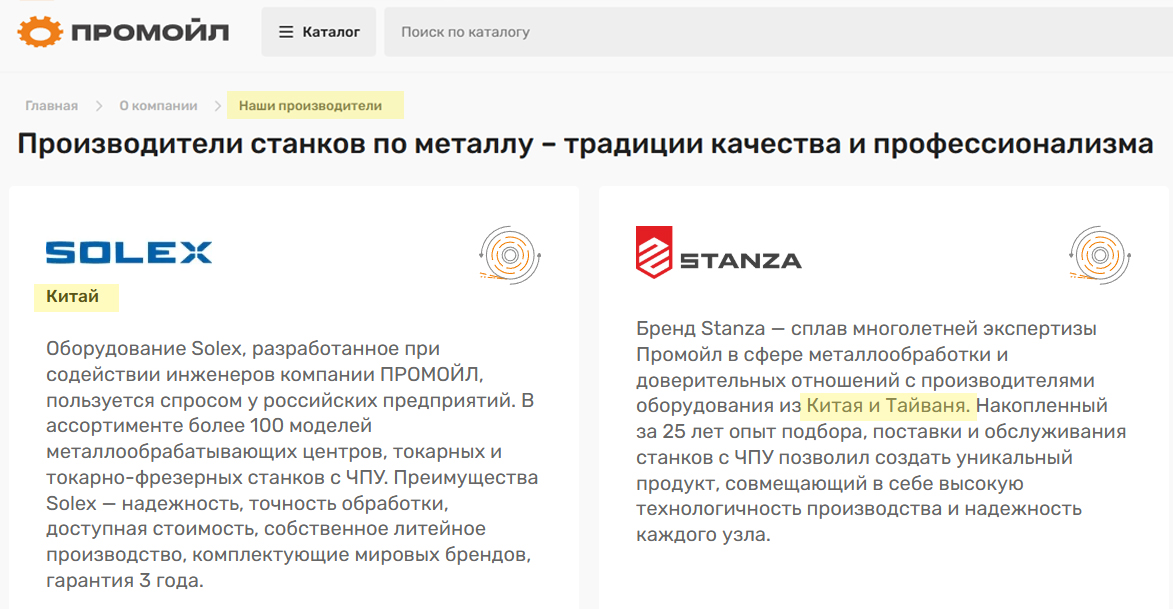
On its website and in its February 2025 product catalogue, the company names its two main manufacturers—the firms Solex and Stanza. And yet the English-language internet knows nothing of either manufacturer: no websites can be found, nor any reviews from foreign enterprises. Mentions of Solex and Stanza appear only on Russian resources, even though the distributor claims the machines come from China and Taiwan. So who really makes the equipment for Promoil?
Covering the tracks: complex supply networks
Spring 2024. Promoil LLC is celebrating its 25th anniversary and, to mark the occasion, releases 14 exclusive interviews with clients from various Russian cities, in which plant representatives talk about their enterprises and show off their new equipment. On most of the machines are the mysterious SOLEX and STANZA logos.
“Our enterprise was founded in 2023,” says the director of the Russian firm SPK Vektor LLC, which makes parts for the automotive industry. “We received an order for several products for the haulage industry—in this case for KamAZ (a maker of chassis for the Iskander operational-tactical missile system and of military trucks). Six months later new volumes of orders came in, and Ural joined in (a vehicle plant under US and Japanese sanctions).
Behind the director stands a SOLEX NL201E machine tool that bears a suspicious resemblance to an identical-model machine from the Chinese manufacturer NEWAY. In neighboring frames, too, a control panel is clearly visible bearing the yellow logo of Japan’s Fanuc—unmistakable for any other even from a distance.
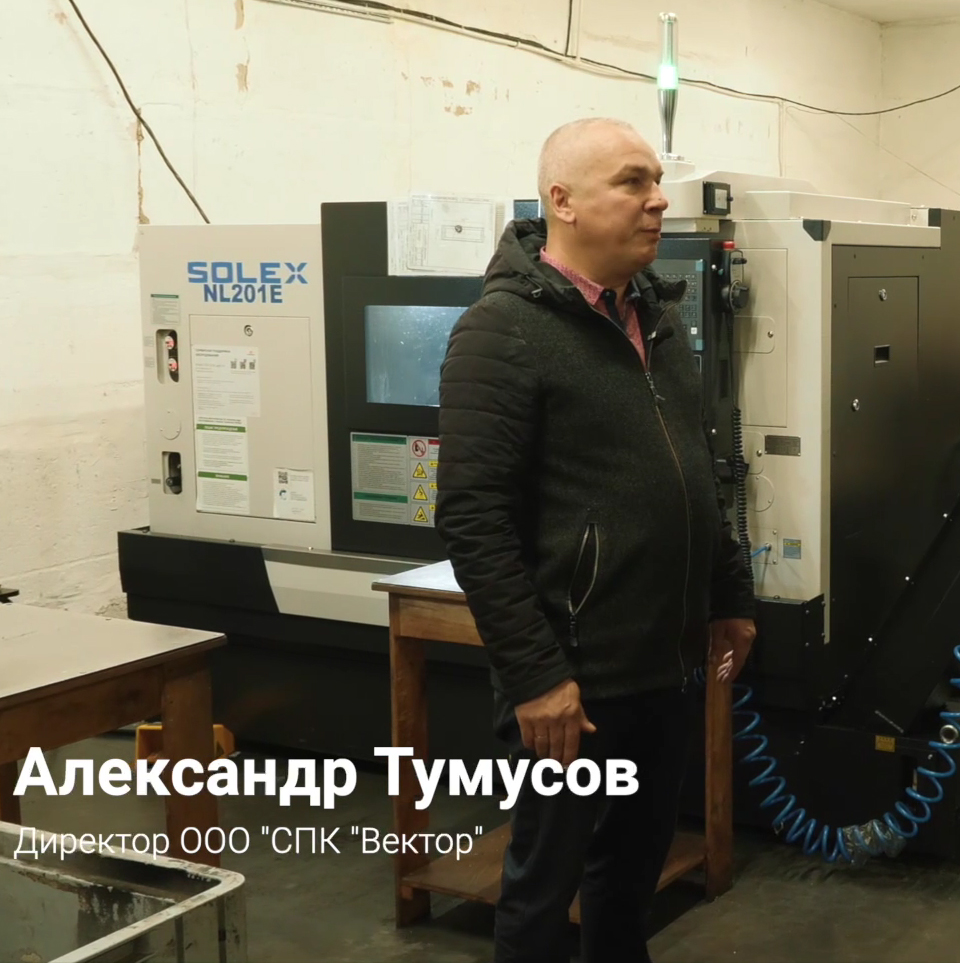
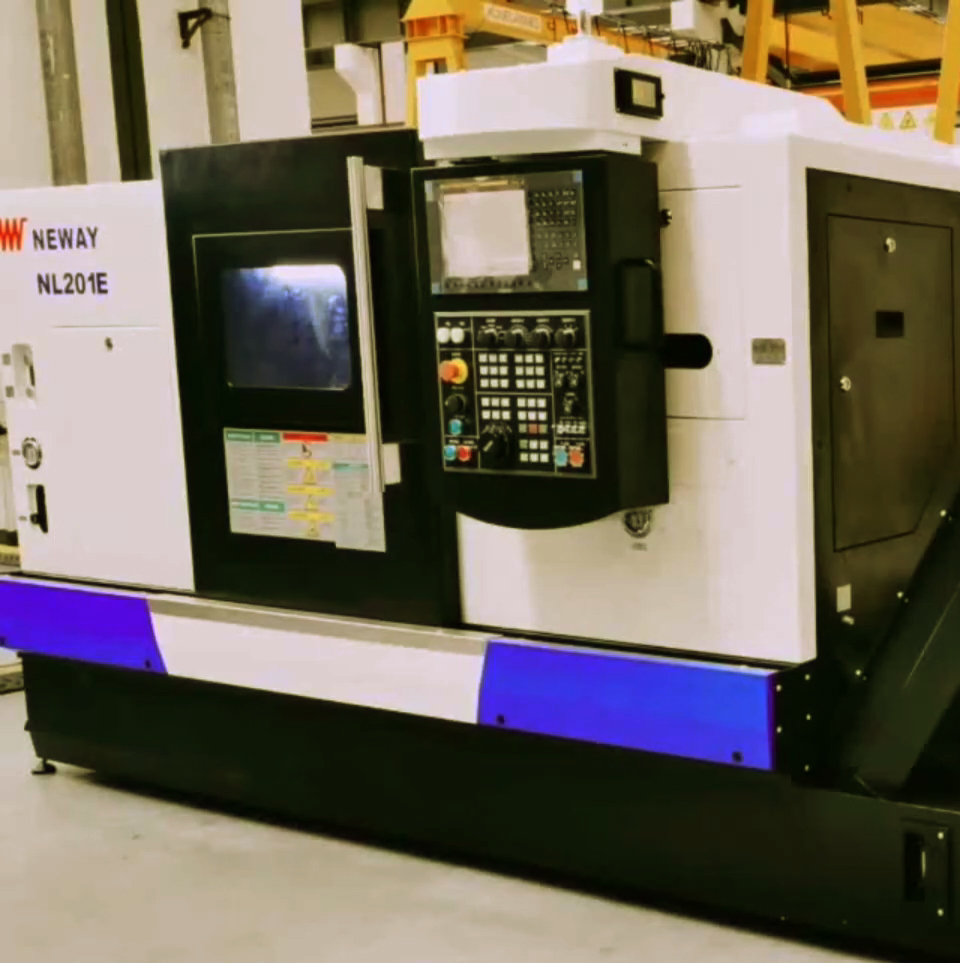
SOLEX NL201E machine tool (Promoil LLC) vs NEWAY NL201E machine tool (China)
Our hypothesis is confirmed in the very next interview. This time the tour of the enterprise is given by the technical director of RNK Engineering LLC. On its official website the company sets out its lines of activity, including the production of tooling for armoured vehicles, airframes, aircraft wings and blades, as well as its experience of fulfilling orders for the aircraft-building, rocket-and-space and shipbuilding industries.

The machines from Promoil were probably installed at the enterprise in haste, since on most of them someone forgot — or rather failed to think — to stick on the logos of the invented brands. The matter was resolved on the spot very simply: the logos of the original manufacturers were covered over with sheets of paper or simply blurred out in the video edit. Even so, the truth could not be concealed: StateWatch analysts identified the SOLEX brand as the already-mentioned Chinese manufacturer NEWAY, and the STANZA logo as the Taiwanese plant AKIRA SEIKI and the Chinese brand TAIKAN (Shenzhen Create Century Machinery).
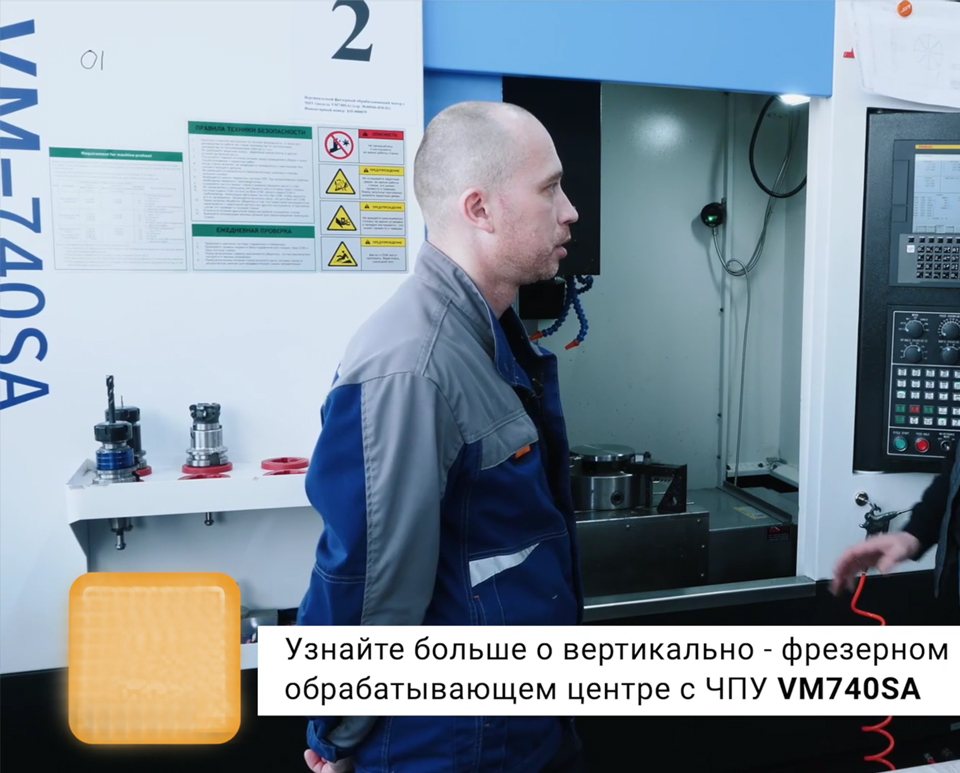
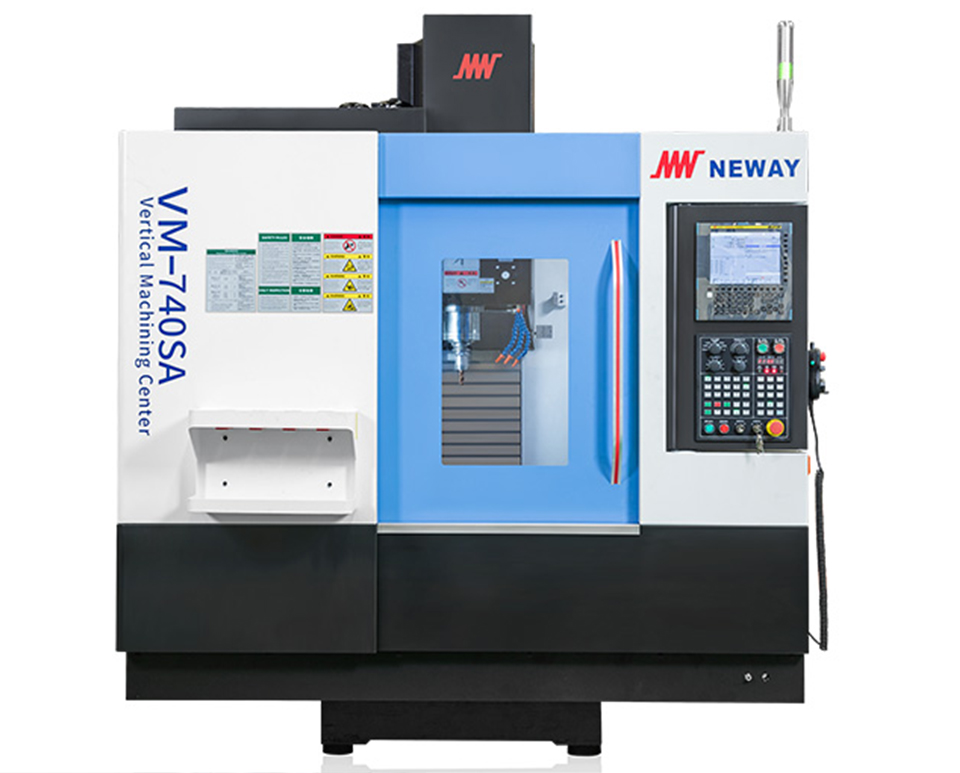
SOLEX VM740SA machine tool (Promoil LLC) vs NEWAY VM-740SA machine tool (China)
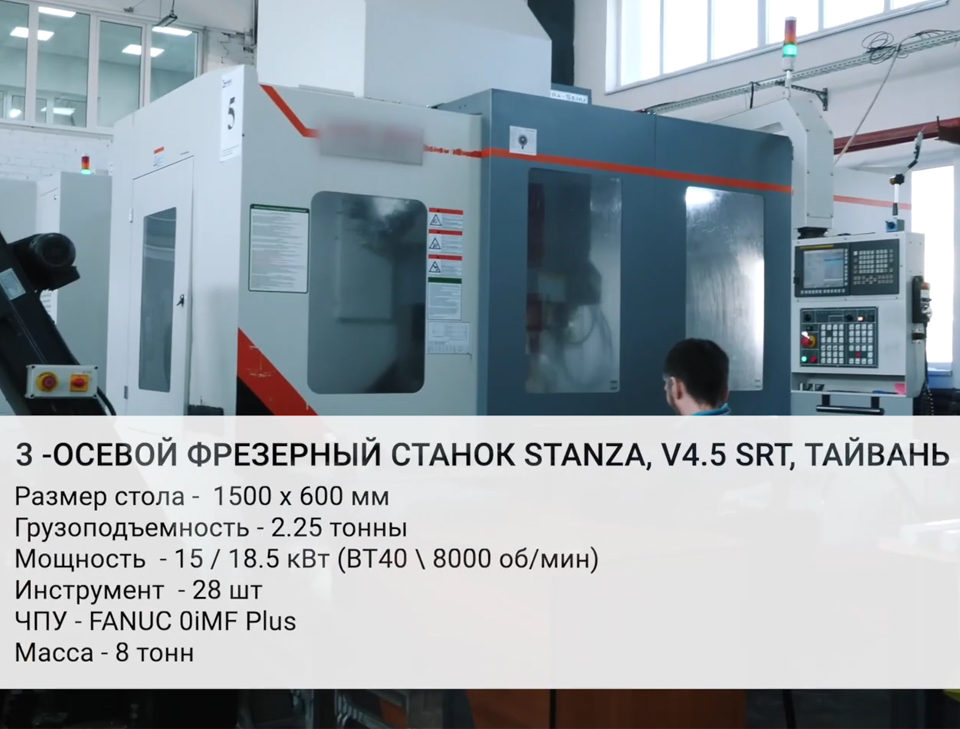
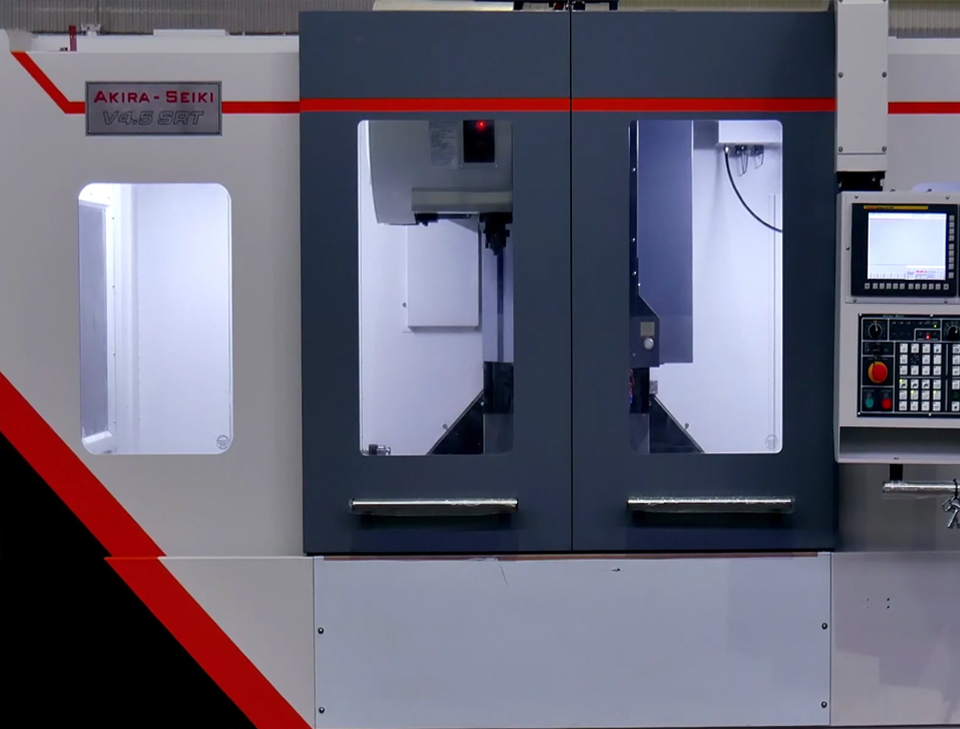
STANZA V4.5 SRT machine tool (Promoil LLC) vs AKIRA SEIKI V4.5 SRT machine tool (Taiwan)
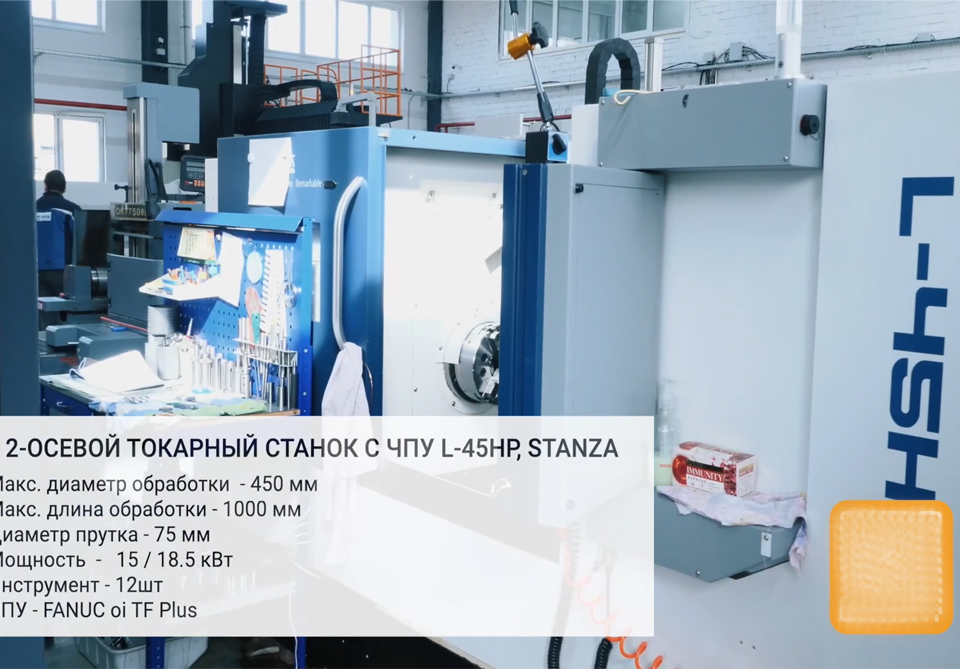
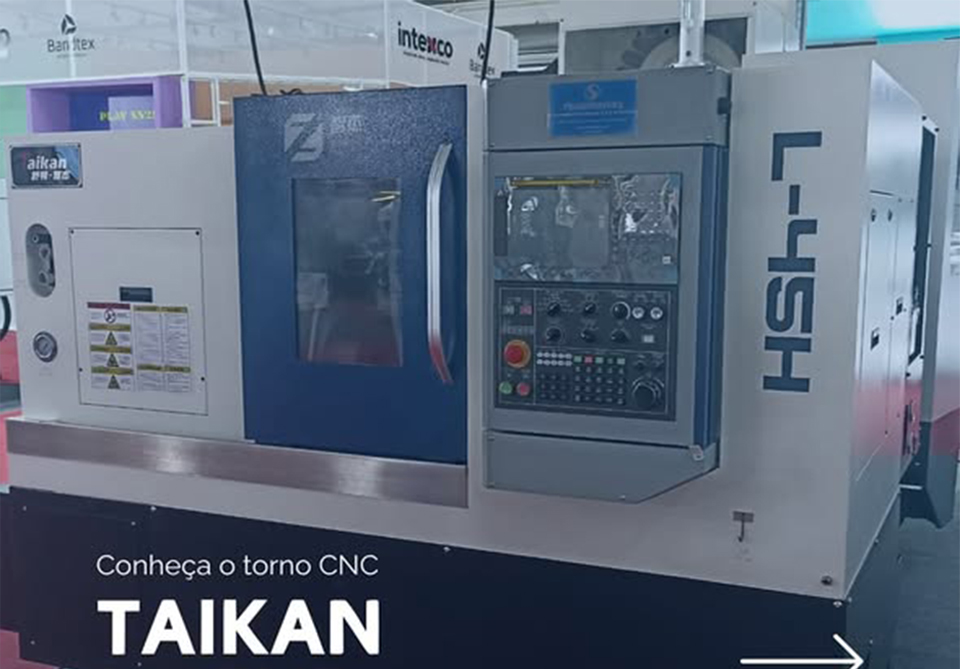
STANZA L-45HP machine tool (Promoil LLC) vs TAIKAN L-45HP machine tool (China)
A little later, the full catalogue of Promoil LLC machine tools, as of February 2025, reached our newsroom. It turns out that the interview footage captured only part of the overall range, and that the real product list of the so-called SOLEX and STANZA runs to dozens and hundreds of models. All the prices are in yuan. Almost all the equipment is fitted with Fanuc and Siemens systems.
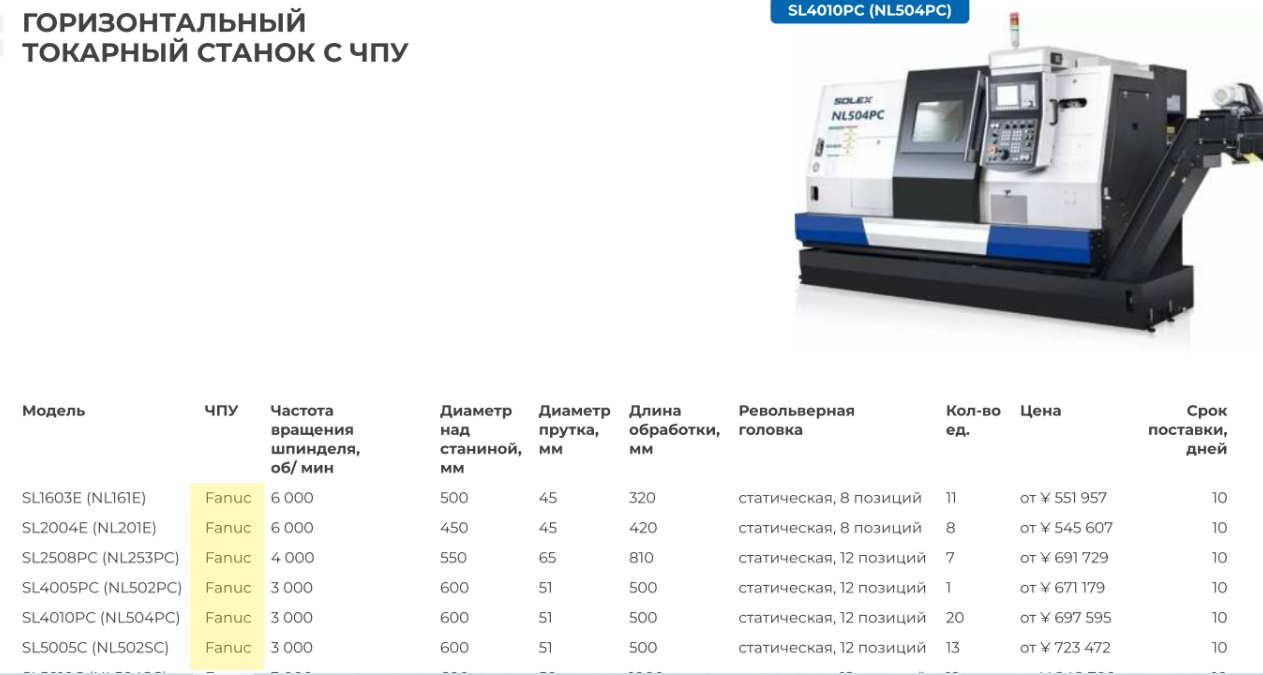
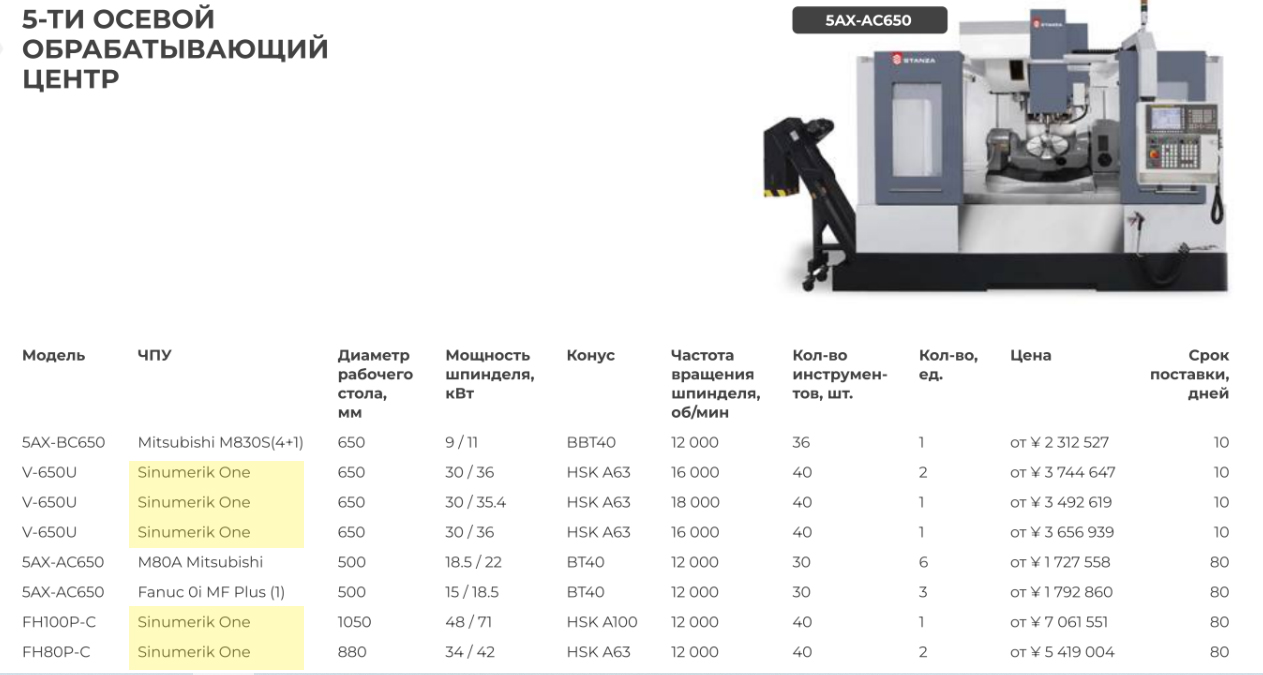
The 2025 Solex and Stanza machine-tool catalogue from Promoil LLC
Notably, Ukraine’s military intelligence (HUR) has already found AKIRA SEIKI equipment at Russian plants producing artillery, ballistic missiles and engines for guided aerial bombs (KABs). The United Kingdom, too, has drawn attention to suspicious supplies from NEWAY and, together with Ukraine, has even imposed sanctions on its Chinese subsidiary. Despite this, not one of the three identified manufacturers is yet subject to US or EU restrictions—which means the Western makers of CNC systems can share valuable technologies with them unhindered.
To establish all the circumstances, StateWatch analysts sent enquiries to all three Chinese manufacturers, as well as directly to Fanuc and Siemens. In its reply, Siemens AG stated that it had not supplied any sanctioned goods to Russia and had no direct commercial relationship with the Chinese machine-tool manufacturer TAIKAN. The company noted that it runs training seminars in Turkey, China and Eastern Europe in order to minimise the risk of sanctions breaches.
“If we receive any indication of sanctions circumvention, we will immediately investigate and involve the necessary and appropriate authorities,” Siemens said. At the same time, the company acknowledged that “certain goods may reach Russia without the manufacturer’s knowledge or consent.”

Fanuc told us that the holding company warns all its customers of the ban on supplying CNC systems to Russia and requires them to submit a written undertaking to that effect. The company stressed that it monitors international sanctions lists and is prepared to sever cooperation with partners who supply prohibited products to Russia. However, Fanuc declined to answer questions about its cooperation with NEWAY and AKIRA SEIKI, citing breach of commercial confidentiality and a possible conflict of interest.
The machine tool manufacturers TAIKAN, AKIRA SEIKI and NEWAY did not respond to our enquiries.
Time is short: Russian copies of Western systems
Russia’s “import substitution,” however, is not confined to finished products. The enemy is not waiting for Siemens and Fanuc to devise a way of restricting their systems’ operation at military enterprises; instead it is pouring resources into building up its own industrial capacity. Documents obtained by our newsroom show that enterprises of the Almaz-Antey concern (a maker of air-defense systems) are actively developing spare parts to service the Western machine tools already installed at Russian military plants and, in particular, plan to substitute the CNC systems themselves (see Document 1).
Attempts to install Russian CNC systems in Western machine tools are also being reported by the Ulyanovsk Machine Tool Plant LLC (USZ)—formerly an enterprise of the German-Japanese holding company DMG Mori in the city of Ulyanovsk, which after the start of the full-scale invasion passed under the control of Rosimushchestvo (Russia’s state property agency) and resumed work for the Russian military-industrial complex.
In May 2026, USZ presented copies of the Western CTX 510 and DMC 1035 machine tools at the Metalloobrabotka 2026 (Metalworking) exhibition. In Photo 7, the equipment bears the markings of the Russian CNC system IntNC PRO, which is being developed by INELSI LLC and serially produced by Kupol-PRO JSC, part of that same Almaz-Antey concern (see Document 2).
Even so, for some reason Russian manufacturers still prefer Japan’s Fanuc.
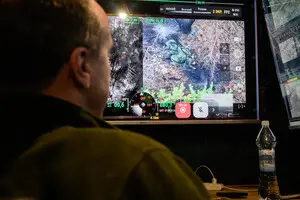
“We settled on Fanuc because there are more specialists for it and it is easier to train existing staff to work with it,” one client admits in an interview for Promoil. “No, there are no difficulties—it’s an ordinary Fanuc, as usual,” adds a representative of another company. “[We should like to wish Promoil] development, growth and adaptation to the new realities: because today we wear masks, tomorrow we are under sanctions… may no external factors affect your development, and may you press on towards your goal—and, of course, help us along the way!” the director of a third enterprise concludes cheerfully.
International sanctions are an effective instrument for influencing Russian manufacturers. But where supplies come through China, only the makers of CNC systems themselves can affect the vast network supplying prohibited products.
Please select it with the mouse and press Ctrl+Enter or Submit a bug
 Follow on Telegram

 Login with Facebook
 Login with Twitter
 Login with Google