
 Support ZN.ua








Rage of the communities. How much money did communities spend to help the front without a military personal income tax?
 Infographics


The problem of helping communities at the front has remained extremely relevant throughout the three years of the full-scale invasion. Unfortunately, this topic has become an occasion not only for serious discussion but also for manipulation by the central government.
The Center for Innovations Development, together with the Holka civic initiative, investigated how local authorities financed the needs of the frontline in the absence of “military” and “security” personal income tax, which communities did not receive from the state budget at the end of 2023 and in 2024, as well as how communities provided for reconstruction after enemy attacks.
In general, over the past year, 262 surveyed communities allocated about UAH 25 billion from local budgets for the needs of communities and the defense forces. Of this amount, about UAH 9 billion was allocated for their own needs and community defense and UAH 15 billion for the defense forces in general. Therefore, the total amount for Ukraine is much higher.
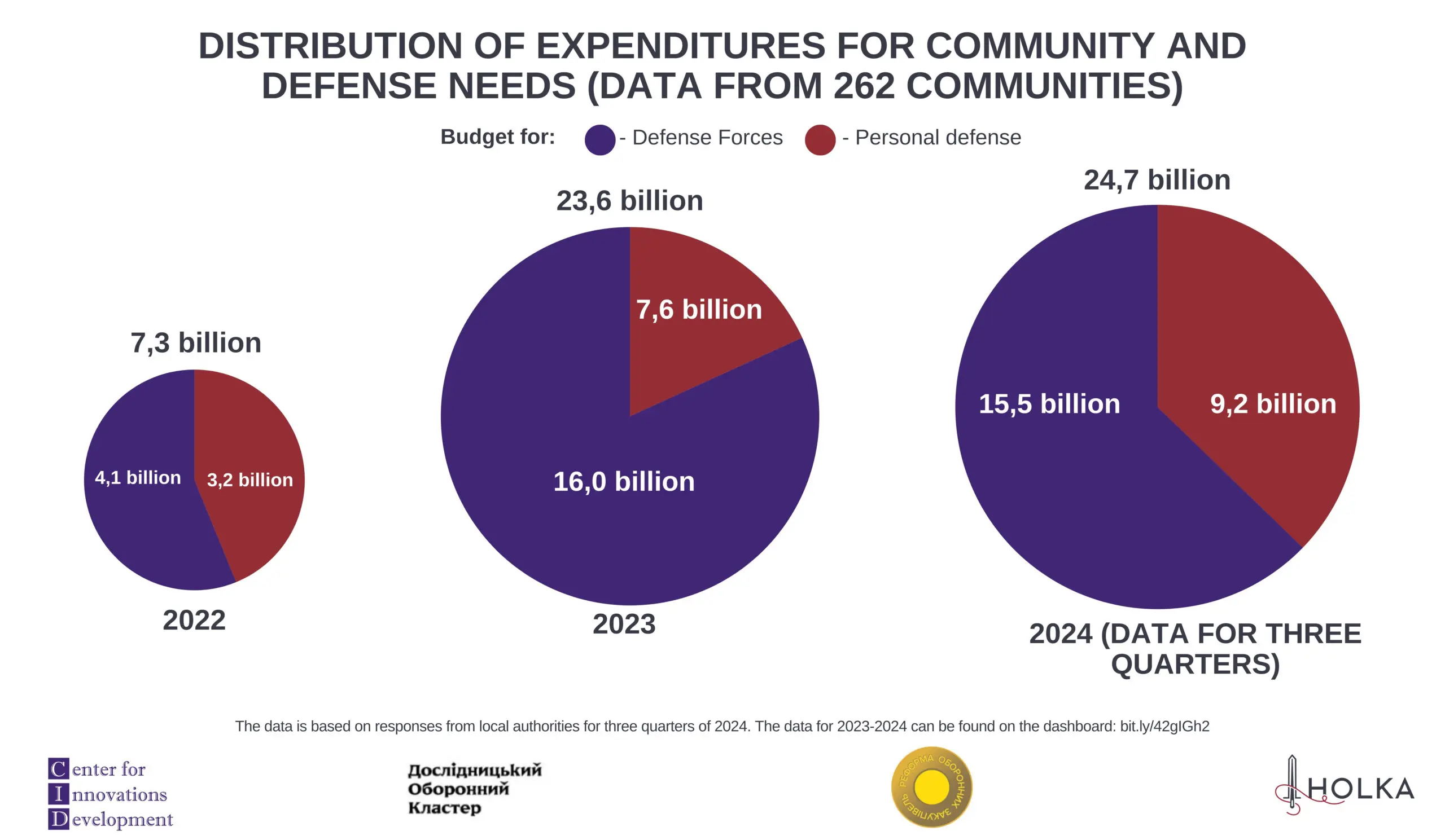
Over the past year, 262 surveyed communities allocated about UAH 25 billion from local budgets for community needs and defense forces. Of this amount, about 9 billion was allocated for their own needs and community defense and 15 billion for the defense forces in general. Therefore, the total amount for Ukraine is much higher.
The surveyed communities spent at least 0.01% of their annual budgets on defense forces and, at most, 24.3%. The study deliberately does not provide figures for individual communities for security reasons, and the information is analyzed by region. It is important to note that the number of communities that answered the questions and provided their data varies by region. Therefore, in this text, we are not comparing who spent more, but rather informing that communities continue to help the frontline even after the state took away the military personal income tax and allegedly took over this function completely.
The “military” and “security” personal income tax is a tax on the income of military personnel, emergency responders, law enforcement officers, and security personnel (police officers, prosecutors, special services, and rank-and-file and senior officers) that they paid to the local budget in previous years.
It is important to understand that before 2022, when the “military” and “security” personal income tax was paid to the budget of the community where the military unit was legally registered, it was not as significant as after the full-scale invasion.
The local authorities did not agree with the Parliament’s decision to remove the “military” and “security” personal income tax. This was stated by Deputy Mayor of Dnipro Volodymyr Miller: "Those military men whose personal income tax was taken away from the city budgets - their families now live in the city. And many of those who are now in the military used to work in other professions and their taxes went to the city budget. The city lost this when they joined the Armed Forces. And at least some part of this personal income tax should be left to the communities".
When the number of military personnel increased significantly three years ago, the amount of deductions to the community budget also increased significantly in 2022 and 2023.
It turned out that the state paid the salaries of the military, the tax went to the budget of local communities, and the state had to provide for the military again. Defense spending, including military salaries, cannot be financed by international partners. This can only be done with taxes paid to the state budget directly by Ukrainians. That is why the state has reclaimed the “military” and “security” personal income tax to fulfill its functions.
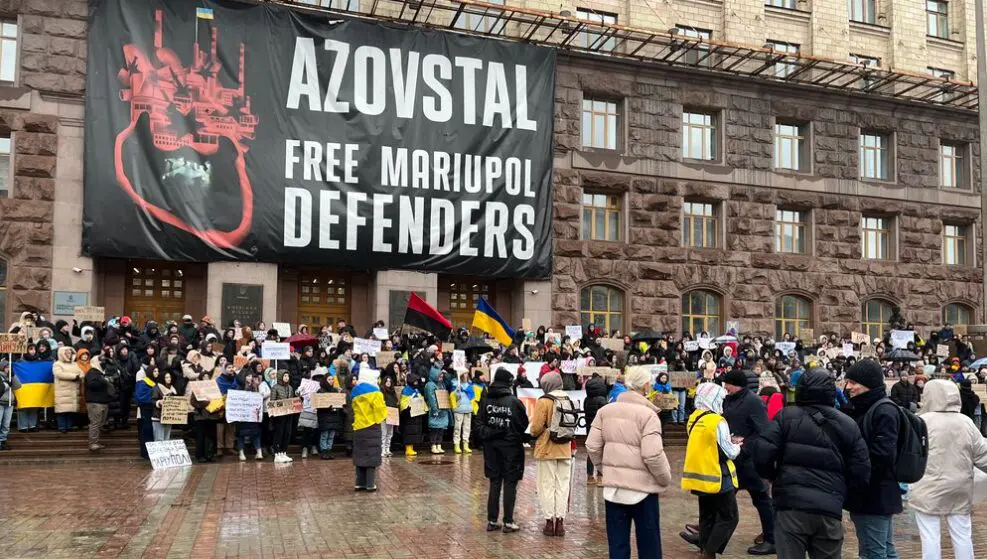
But even after the local budget de facto ran out of defense funds, citizens still picketed local governments, demanding more funds to support the Armed Forces.
One of the architects of decentralization, expert Yuriy Hanushchak explains that the state should have a division of functions between the national and local levels of government, and each level should have adequate funding to perform these functions: "Defense is indeed a function of the state. However, in my opinion, the state itself does not cope with this function. Local self-government is more flexible. Therefore, it would be logical to allow local governments to lend a hand to the state in the current extreme conditions. To do this, the state should leave personal income tax from all taxpayers to local governments".
How to distribute this personal income tax is a matter of debate.
Mykhailo Leichenko, Deputy Director of the Center for Innovation Development for Analytics and IT, whose team was involved in data collection and processing, explains: "Indeed, defense is a state function, and funds for defense should be in the state budget. At the same time, the data we have collected and analyzed shows that communities continue to help the frontline to eliminate the consequences of armed aggression. And this is understandable. National security is now a priority for everyone".
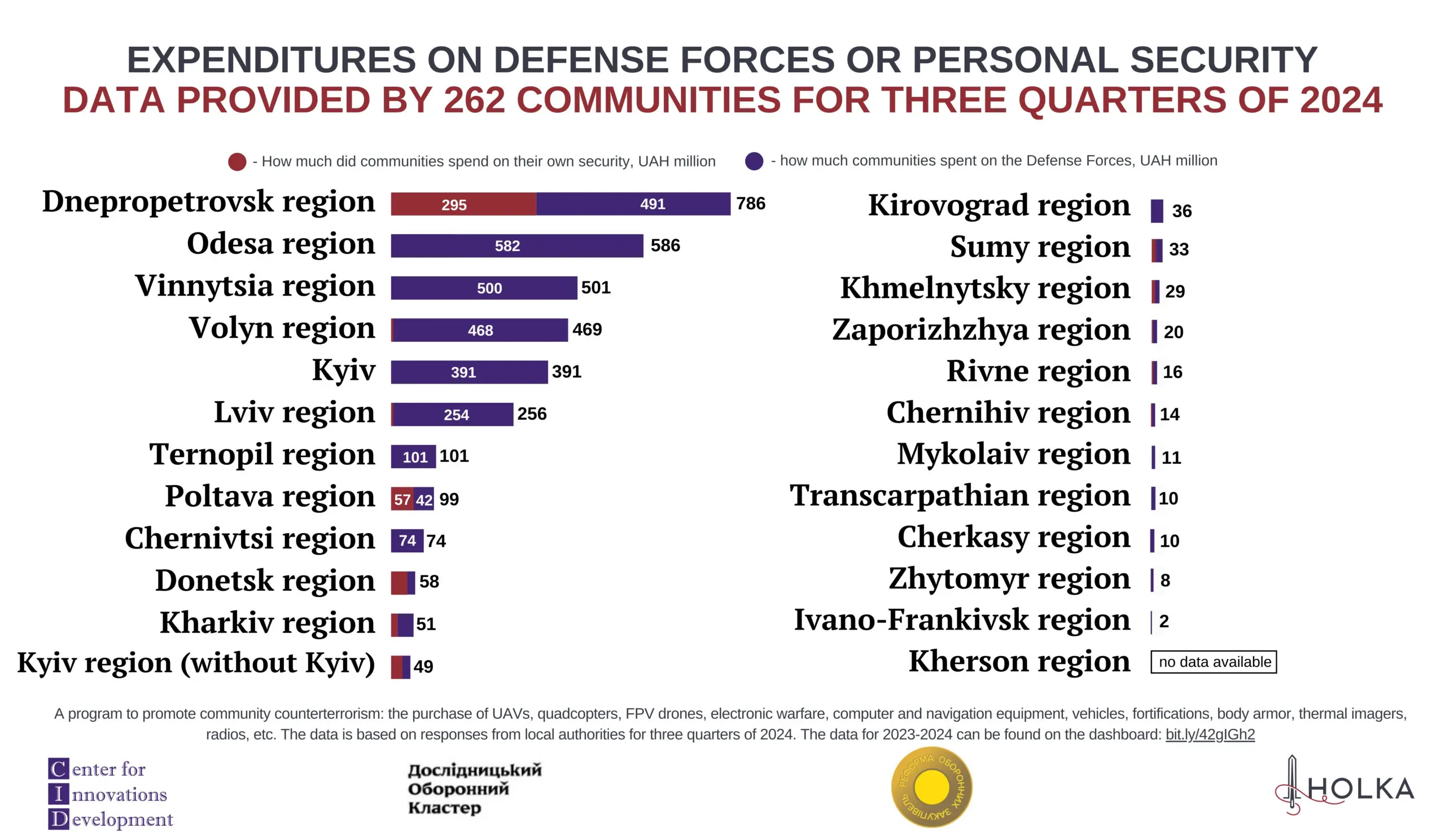
According to the data provided by the communities, Dnipropetrovska oblast helped the defense forces the most in the first three quarters of 2024, with almost UAH 786 million coming from local budgets.
Odesa region ranks second. Here, spending reached UAH 586 million.
Oleksandr Slobozhan, Executive Director of the Association of Ukrainian Cities, emphasizes that since the beginning of the full-scale war, international experts have named local self-government and decentralization reform as one of the factors of victory, which has created a unique system with more than a thousand sources of support for the Armed Forces: "For almost three years, even with the state's withdrawal of military and security personal income tax, systemic underfunding of delegated powers (education, healthcare, social protection), and the withdrawal of reverse subsidies, municipal authorities have formed a unique system of assistance to the military in three areas. The first is assistance to units formed or located in a particular community. The second is to help the military who have joined the army from this community. The third іs the construction of fortifications in cooperation with military administrations. Local governments provide assistance systematically, despite the constant attempts of some government officials to make this assistance impossible. At the same time, municipalities continue to provide services to community residents, organize IDPs' lives and relocate businesses, and help the military. That's why all the actions against local governments last year failed. Because active true leaders of communities and civil society see the crucial importance of local self-government in preserving Ukraine. Municipalities help the military by actually implementing Article 17 of the Constitution of Ukraine. This article emphasizes that the protection of Ukraine's sovereignty and territorial integrity are the most important functions of the state. It also explicitly states that “the state shall ensure social protection of citizens of Ukraine serving in the Armed Forces of Ukraine and other military formations, as well as members of their families.” This is absolutely consistent with the unitary nature of Ukraine, as defined by Article 2 of the Constitution of Ukraine".
It is worth noting that the data collected for the three quarters of last year did not include the amount of money spent on emergency services, assistance to military families, etc. Only funds for the defense forces were counted. Therefore, the amount of aid is actually higher.
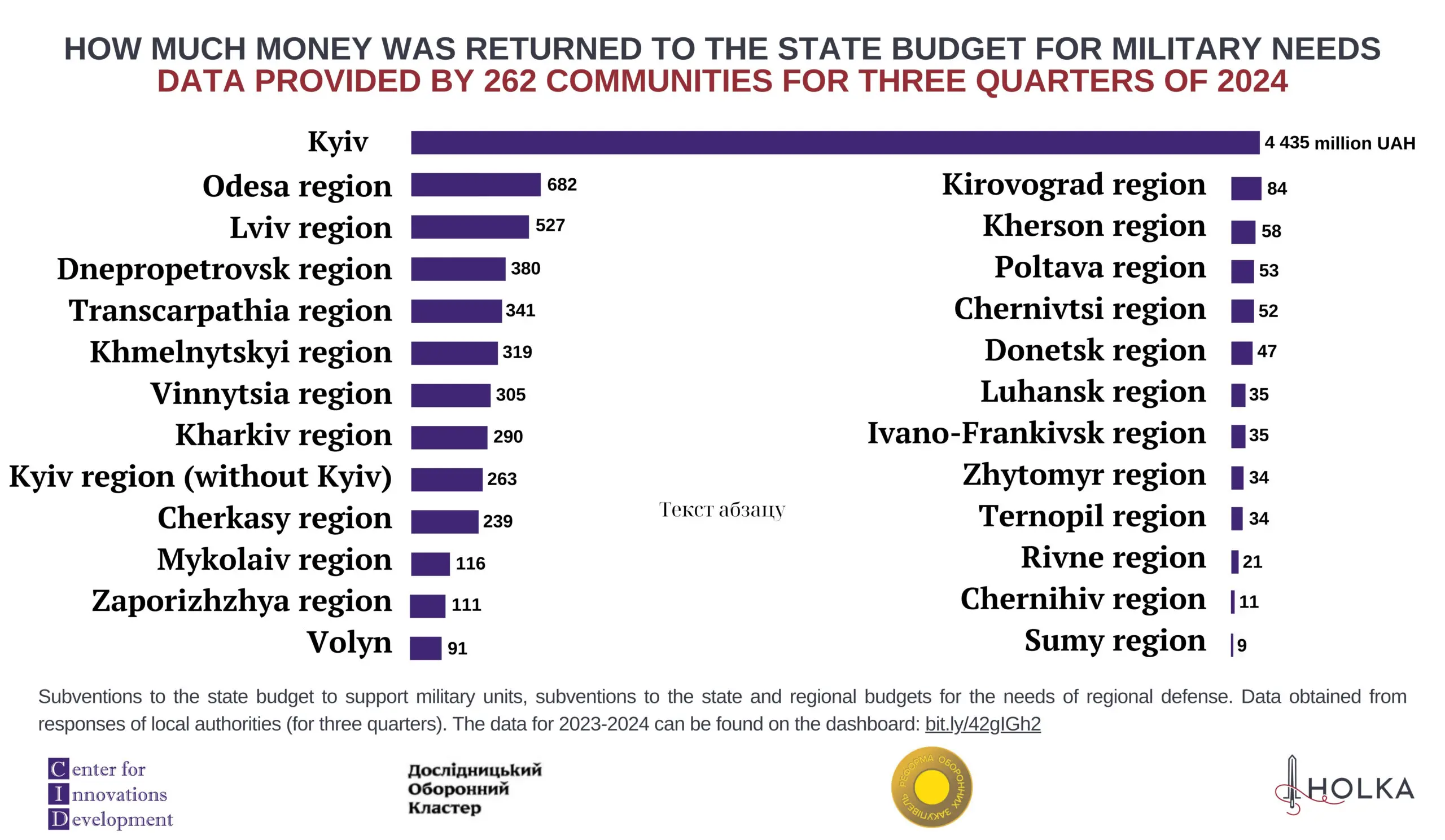
If we analyze the amounts that communities have returned from the local budget in the form of subventions to support the defense forces to the state budget for further distribution, Kyiv tops the ranking. According to the city’s plans, more than UAH 4.4 billion should have been transferred from the capital’s budget to the state budget last year.
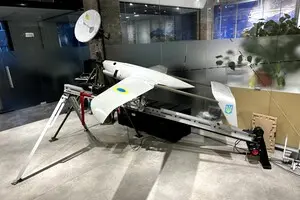
At the same time, Serhiy Ohorodnyk, a journalist from Kyiv who covered the activities of the Kyiv City Council for the CHESNO movement and went to the front from the first days of the full-scale invasion in February 2022, explains that given that the function of providing defense belongs to the state, local authorities will not be able to cover all needs: "There are different levels: tactical and strategic. At the tactical level, local communities can purchase REBs and drones to partially cover the front's needs. But what happens when one community provides drones for “its” soldiers while another does not? If we talk about the strategic level, is any community able to “pull” an ammunition factory or the development of the latest weapons?".
At the beginning of the year, ZN.UA wrote that the Ministry of Defense submitted a resolution to the Cabinet of Ministers on payments to military personnel from local budgets.
However, this initiative directly violates the principle of equality of citizens, including military personnel. After all, the military from capable communities will receive UAH 100, 400 thousand, while those from poor, unable communities will not. That is a topic for a whole other discussion.
Despite the fact that communities are now helping the frontline at the tactical level, the amounts they have allocated for defense are considerable for local budgets. War is always a significant expense, and therefore the total amount in the overall defense budget is not significant. However, these funds should be used effectively. There should be appropriate coordination between local governments and the Ministry of Defense. This is emphasized by Deputy Minister Denys Uliutin: Local governments provide assistance to the defense forces upon request. It is impossible to call such assistance systemic, as it concerns individual units, not those that need such assistance to perform combat missions efficiently. The lack of clear coordination between the Ministry of Defense and local governments in terms of determining the need does not always lead to the effectiveness of such assistance. In addition, not all local councils have the ability to provide financial support to the defense forces, which makes it impossible to cover all defense forces with such assistance. Financially capable communities mostly support units based or formed on their territory".
Indeed, the problem lies in the transparency and quality of what is purchased. Mykhailo Leichenko, a representative of the Center for Innovation Development, emphasizes that local budget expenditures on procurement should be visible to citizens: "Local budgets allocate significant amounts to help the front. That is why it is necessary to create a “single window” for weapons procurement and the distribution of funds for the defense forces' needs. This way, both the state and local levels can see a full cross-section of needs, prioritize costs, and minimize corruption risks in procurement. The Ministry of Defense has developed and approved a codified list of weapons, which is updated as new models become available".
These samples are tested and verified for safety and effectiveness. Of course, the Ministry of Defense has more information about the needs of our soldiers. For obvious reasons, not all procurements at this level are visible, which increases corruption risks and calls into question the effectiveness of such spending.
Leichenko adds that the Defense Research Cluster has studied the index of promoting efficiency of the Ministry of Defense in terms of order planning and development of weapons and military equipment: "Civilians are now more positive about the effectiveness of the Ministry of Defense in formulating current and future needs for the defense forces. As for the military, they see that the MoD's work is getting better, but they still do not consider it perfect. This is evidenced by the results of the Defense Research Cluster survey".
P.S. Today marks 40 days since the founder of the Center for Innovation Development, Serhiy Loboyko, who started this project, passed away. With this publication and the full research, we show everyone that his work is not only alive, but we are continuing it. This is important not only for his family but also for us and our readers. May he rest in peace.
! If a local government body that did not provide data in time to requests during the preparation of the study wishes to do so, they can be sent to survey@cid.center.
Please select it with the mouse and press Ctrl+Enter or Submit a bug
 Follow on Telegram
 Login with Facebook
 Login with Twitter
 Login with Google